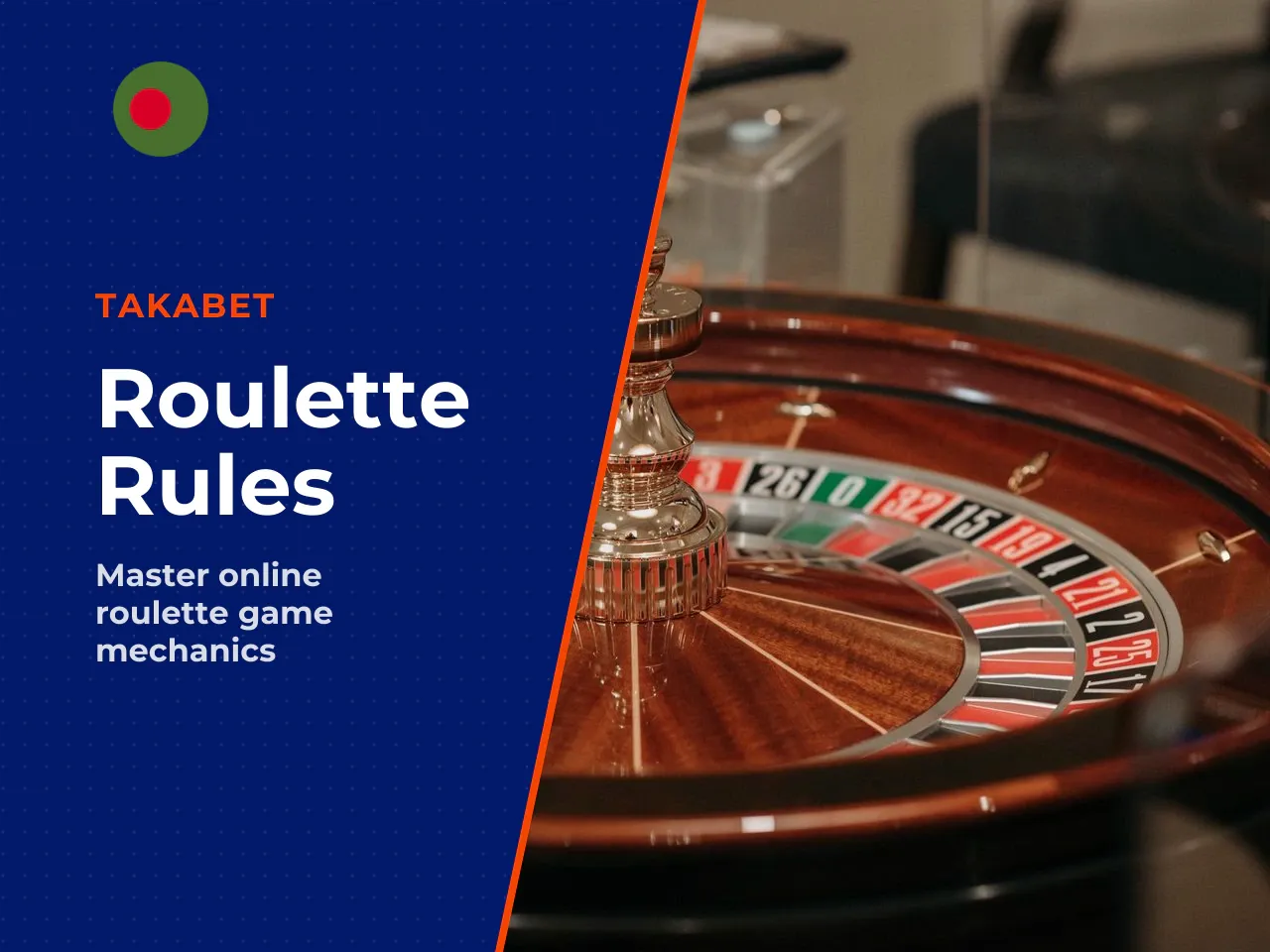
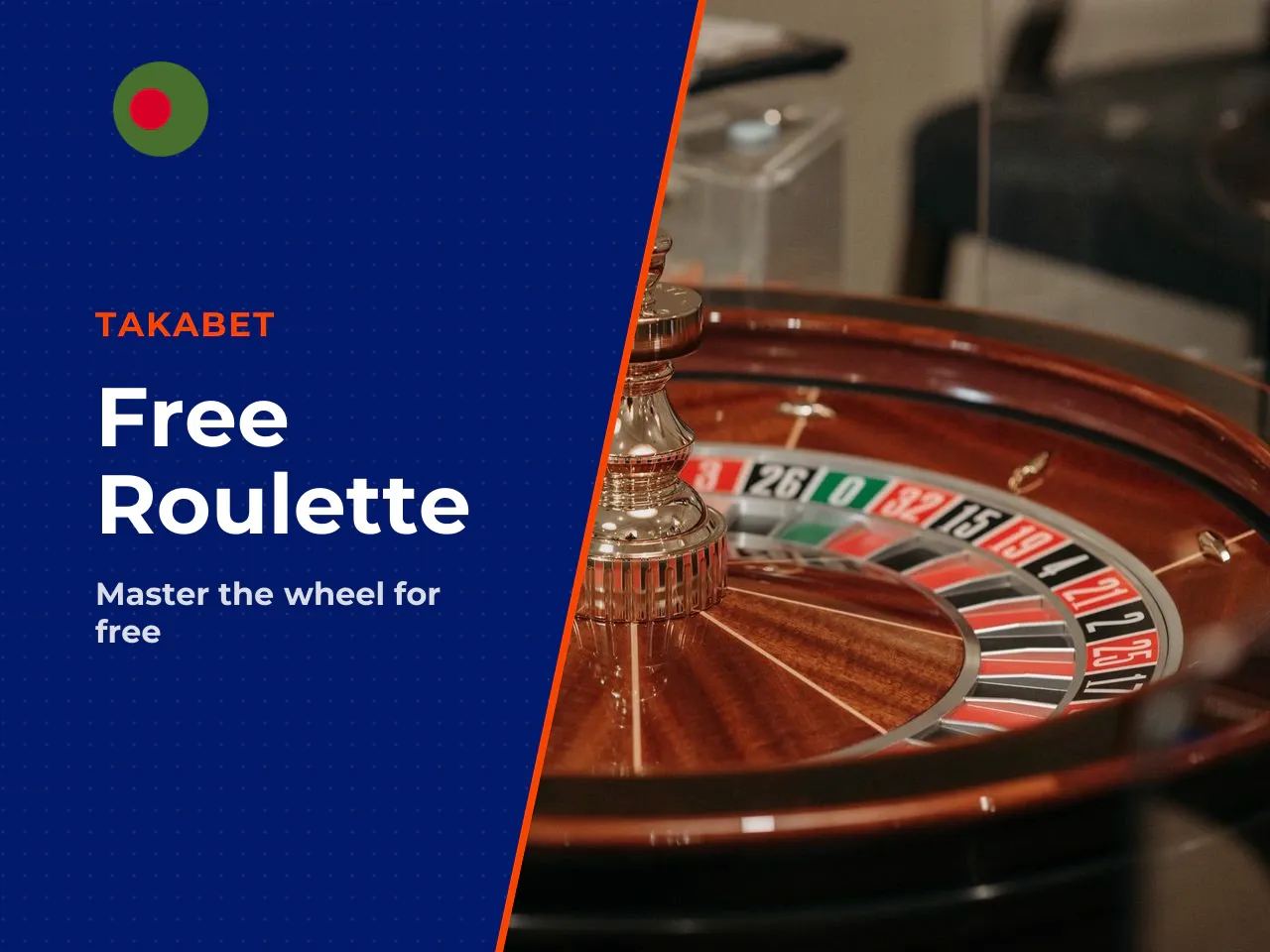
The roulette wheel is the heart of the game. A European wheel contains 37 pockets numbered 0 through 36, separated by metal barriers called frets. The numbers follow a specific clockwise sequence: 0, 32, 15, 19, 4, 21, 2, 25, 17, 34, 6, 27, 13, 36, 11, 30, 8, 23, 10, 5, 24, 16, 33, 1, 20, 14, 31, 9, 22, 18, 29, 7, 28, 12, 35, 3, 26. This arrangement is deliberate. It distributes odd and even numbers, high and low values, and red and black colors as evenly as possible around the circumference. An American wheel adds a 38th pocket, the double zero (00), which changes both the sequence and the mathematical odds.
The ball is launched in the opposite direction to the spinning wheel. In Nevada, regulations require the ball to complete a minimum of four full revolutions for a spin to be valid; fewer than that and the dealer declares a "no spin," voiding the round. This rule ensures genuine randomization in live settings. Research in applied physics has shown that knowledge of the ball's initial position, speed, and deceleration is theoretically sufficient to predict the landing region with practically significant accuracy. That finding underscores why casinos enforce strict launch procedures and why the wheel's design treats each outcome as statistically independent from the last.
The roulette table (also called the layout) is where all bets are placed. It features a grid of individual numbers (the inside betting area) surrounded by boxes for group bets such as red/black, odd/even, and dozens (the outside betting area). After the ball settles, the dealer places a marker called a dolly on the winning number, clears losing bets, and pays winners, always starting with the lowest-odds payouts first and working outward.
The dealer (or croupier) orchestrates each round. Beyond spinning the wheel and launching the ball, the dealer announces "no more bets" to close the betting window, declares "no spin" if the ball is dislodged or a foreign object enters the wheel, and manages the payout sequence. In live online roulette, human dealers perform the same function, streamed in HD video to players' devices.
Here is the precise sequence of a single roulette round, step by step:
- Betting window opens. The dealer announces "Place your bets, please" and players position chips on the layout.
- Wheel spin and ball launch. The dealer spins the wheel and launches the ball in the opposite direction.
- Betting window closes. The dealer calls "No more bets." No chips may be placed or moved after this announcement.
- Ball settles. The ball loses momentum and drops into a numbered pocket.
- Winning number marked. The dealer places the dolly on the corresponding number on the layout.
- Losing bets cleared. The dealer removes losing outside bets first, sweeping from the far end of the table toward zero, then clears losing inside bets.
- Layout cleaned. The dealer arranges the winning bet neatly for calculation.
- Payouts made. Winners are paid starting with even-money bets (1:1), then dozens/columns (2:1), and finally inside bets (up to 35:1).
- Dolly removed. The dealer lifts the marker, signaling that the round is complete.
- New round begins. The dealer invites bets again, restarting the cycle.
In RNG (software) roulette, steps 2 through 9 happen within seconds, driven by a certified random number generator rather than physical forces. In live-dealer roulette, the process mirrors a land-based casino and typically takes 45 to 90 seconds per round.